Dr Phil Smith’s Wildlife Notes
DECEMBER 2025
December was relatively mild with very few frosty mornings in Formby. Rachael Parks measured 110 mm of rainfall in her garden, close to average for the month. The Met Office monthly summary agrees with these findings, our region having about average rainfall and being warmer and sunnier than normal. Overall, 2025 was a year of weather extremes for Britain, with the sunniest spring and warmest summer on record, beating even 1976.
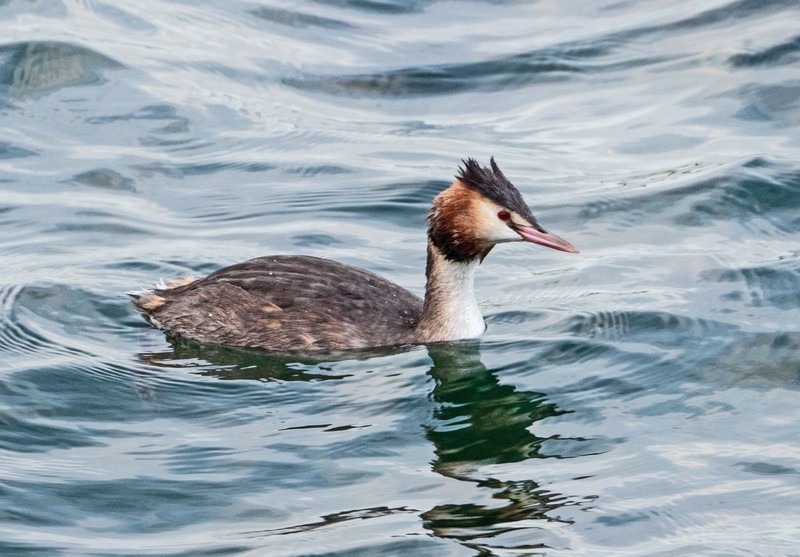
One of December’s highlights, an immature male Smew, spent most of the month on Southport Marine Lake. This duck breeds in the vast boreal conifer forests, from Scandinavia to Siberia. I caught up with it on two occasions, the second when it was unnecessarily disturbed by a photographer. When I was a student in London in the early 1960s, I used to travel to the Welsh Harp to see impressive flocks of wintering Smew. This reservoir boasted a record count of 144 in 1956. However, due to milder winters in Europe, in recent years the duck has become increasingly scarce and is now Red-listed in Britain. Southport Marine Lake also had a female Goosander, two Red-breasted Mergansers, up to four Great Crested Grebes, six Little Grebes and several Goldeneye; quite a duck/grebe-fest!
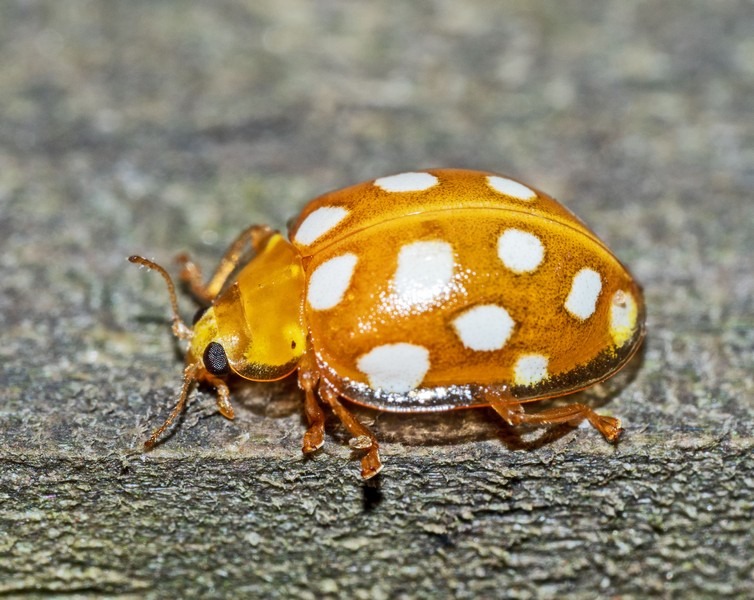
Insects are hard to find in mid-winter but a short trip to Wicks Lake at Formby Point on 10th was rewarded with a colourful Orange Ladybird and a hulking Giant Willow Aphid, visually competing with a backdrop of freshly fallen, bright-yellow Aspenleaves. As usual, Pete Kinsella did rather better, photographing several species of hoverflies and Green Shieldbugs on flowering Ivy at Crosby Coastal Park, a reflection of the mild weather.
More than fifty years after I first went there, Cabin Hill National Nature Reserve produced 15 Common Snipe and a single Jack Snipe on 13th. Invasive Common Reed now covers nearly 1 ha of the wetlands on the reserve and, although this has its downsides, I was delighted to see two Marsh Harriers hunting over the reeds. Contractors brought in by Natural England have created a large shallow, sandy scrape in one of the slacks, replacing an area of dense willow scrub. It will be interesting to follow its development.
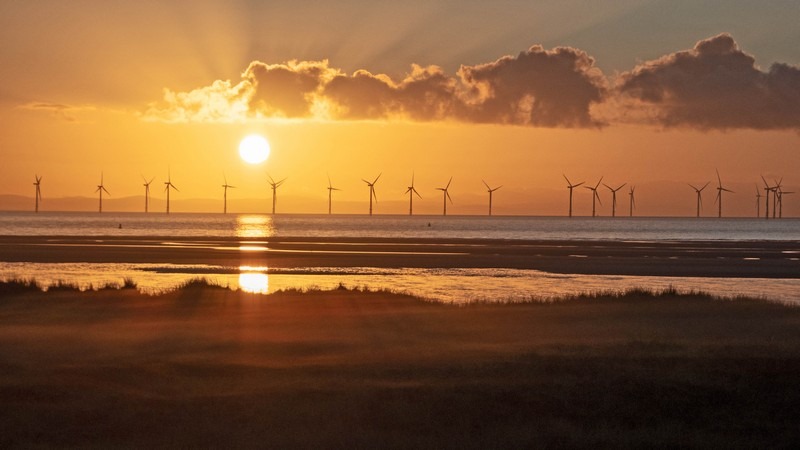
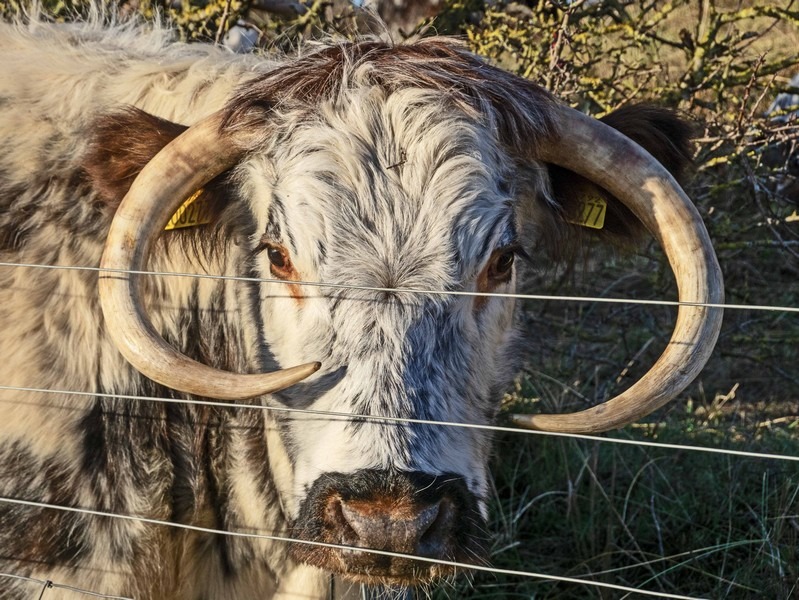
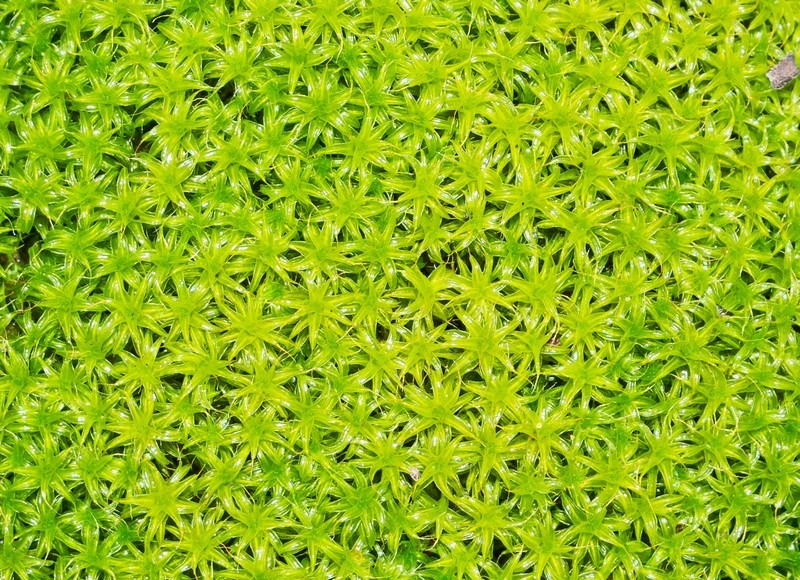
As usual, at fortnightly intervals I trekked to the Devil’s Hole to measure the sand-dune water-table, adding to 20 years of data showing dramatic fluctuations in the water level, depending largely on the amount of winter rainfall. In the late afternoon of 16th, I photographed a wonderful sunset over Liverpool Bay, while a shallow layer of mist crept across a former asparagus field. Nearby, eight impressive English Longhorns were grazing on what looked like unpromising forage dominated by Marram. These placid, hardy creatures do perfectly well on coarse grasses and are increasingly popular for conservation grazing. Another herd of 13 Longhorns were on Birkdale Local Nature Reserve when I visited on 24th. Nearby, the bright red stems of the rare Don’s Willow were illuminated by the winter sun. Less welcome was a large stand of invasive Sea Buckthorn, the female bushes loaded with bright orange berries, ready to be dispersed over the dunes by birds. Walking back along the coast road cycle-track, my attention was drawn to symmetrical hummocks of Sand-hill Screwmoss and a large patch of a fumitory. A careful search revealed a single flower-spike which confirmed the latter’s identity as Common Ramping Fumitory, a plant that usually flowers in spring and summer.
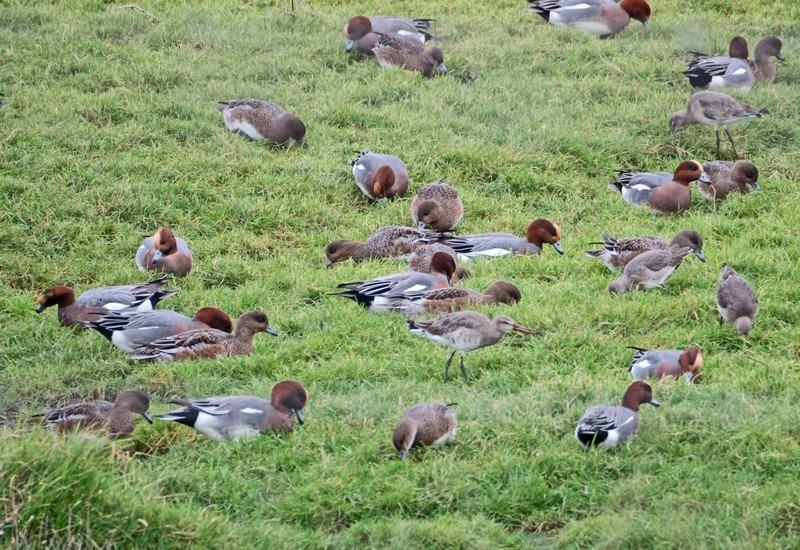
A drive across Plex Moss on 28th was relatively productive, though over 1000 Pink-footed Geese remained stubbornly distant. I was surprised to find a tight flock of about 500 Linnets enjoying unharvested cereals, while a nearby grass field supported 2000 Starlings and at least 145 Common Gulls, presumably reflecting an early return passage. I stopped off to walk a short distance along Haskayne Cutting where a single flower of Marsh Marigold was unexpected. The last day of December saw me at Crossens/Marshside where about 800 grazing Wigeon gave close views, together with a smart male Marsh Harrier.
Winter is, of course, the time for management operations in the sand-dunes designed to benefit their unique wildlife heritage. In addition to the work at Cabin Hill by Natural England, Green Sefton contractors did a marvellous job clearing huge patches of Sea Buckthorn at the Birkdale end of the Green Beach; also creating several scrapes for Natterjack Toads at the Ainsdale end. The last ‘Buckthorn Bash’ of the year was followed by a sumptuous spread organised by Joyce and Ann at the Ainsdale Discovery Centre for a record-equalling 20 volunteers. Perhaps a message about the availability of refreshments influenced the turnout. I showed the assembled group their ‘Certificate of Appreciation’ from Sefton Council, presented by the Major on 3rd December. Since early October, we held ten events with an average of 15 participants working for a total of 271 person-hours. We welcomed six new recruits, though we could always do with a few more.