Dr Phil Smith’s Wildlife Notes
NOVEMBER 2025
According to the Met. Office, November was warmer, wetter and sunnier than normal. England had about 49% more rain than the average, tying in remarkably well with Rachael Parks data from her Formby garden. She measured 140.5 mm, of rainfall, which is roughly 48% more than the long-term average for the district. November is usually one of the wettest months of the year but this one was exceptionally so, with measurable rain in Formby on 23 days and an uplift of about 30 cm in the sand-dune water-table.
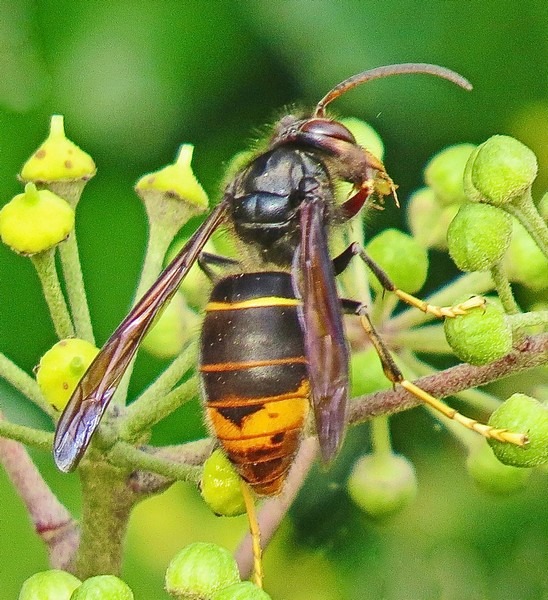
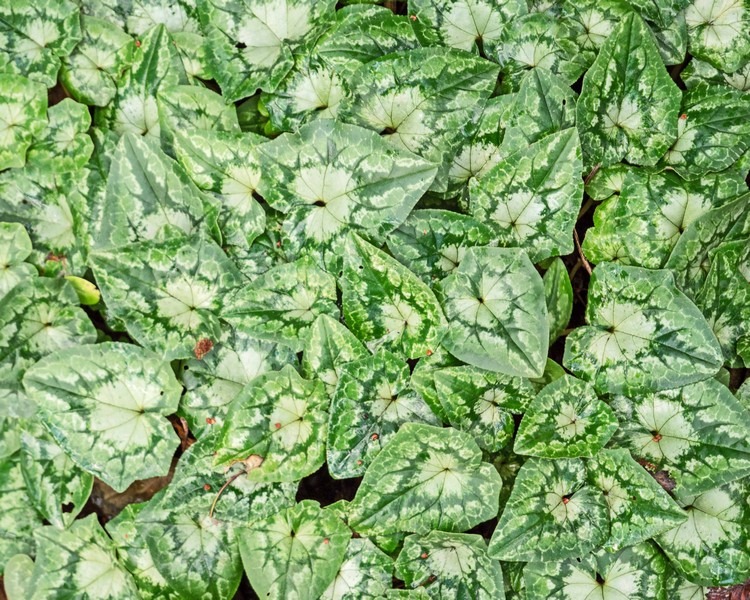
I’m not so keen on getting wet these days, so I didn’t get out as much as usual. November is a fairly quiet month for wildlife in any event, though there were several exceptions. One major highlight came on 1st when Pete Kinsella photographed an Asian Hornet on Ivy (photo courtesy P. Kinsella) in the Marine Gardens, Crosby. This notorious recent invader from the continent makes bee-keepers go weak at the knees. So far there have been few sightings in the North of England but, when Pete notified the authorities, the balloon went up and the Animal & Plant Health Agency’s Regional Bee Inspector had special traps set up. The hornet was last seen heading north at high speed and none was trapped. I went down to Crosby the following day. No sign of the Asian Hornet but I did identify six species of common hoverflies on the Ivy, while a late female Ivy Bee was busily collecting pollen. An unfamiliar grass in the gardens turned out to be Cockspur, a non-native species from the tropics that occasionally turns up on disturbed ground. Garden escapes on the outskirts of Formby included Italian Arum and Sowbread (Cyclamen hederifolium), easily recognised by their strongly pattered leaves
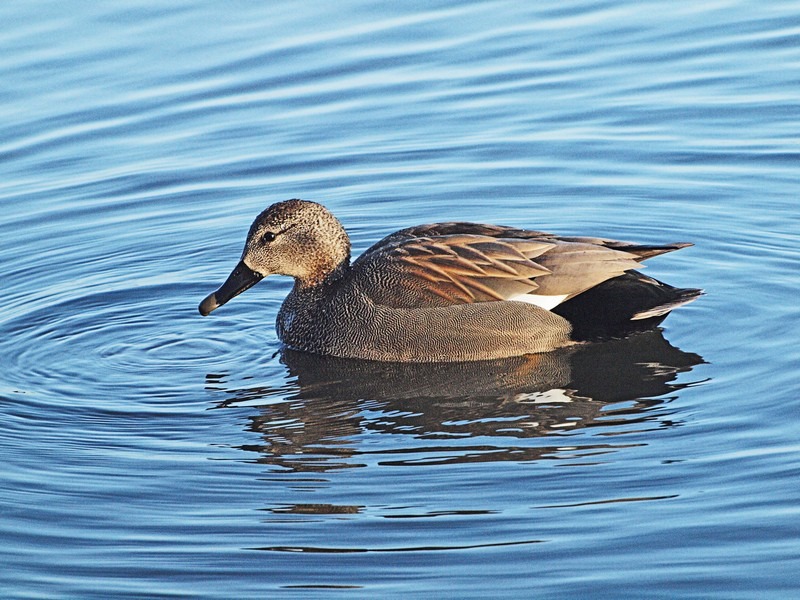
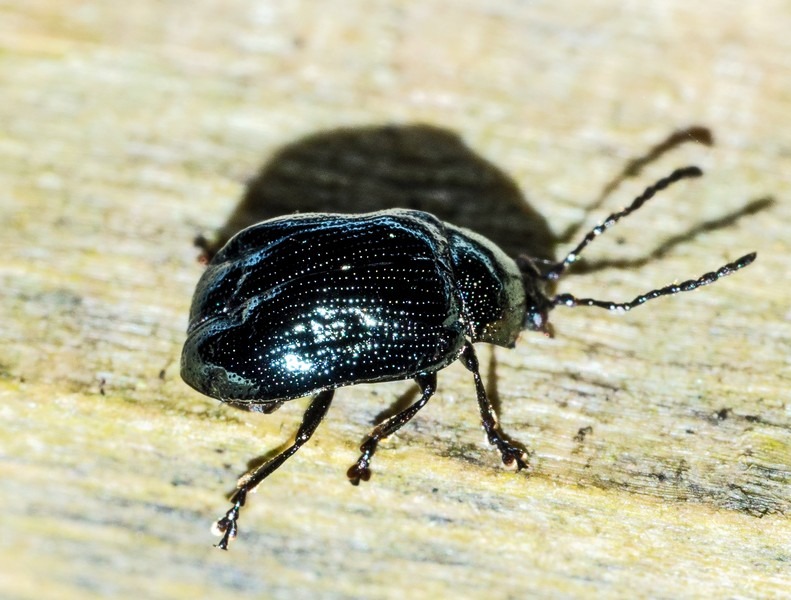
On 4th, while shopping in Formby village, I heard a Great Tit in full song in the War Memorial garden. It needed reminding that spring is a long way off. A few days later, a recce for the Buckthorn Bash produced a flowering Wild Parsnip near Sands Lake, Ainsdale. I’m not sure whether it was four months late or eight months early! Good weather for ducks but 29 Gadwall on Sands Lake was a surprise. They even increased to 57 by the end of the month but Steve Cross trumped me with a count of 62. The bridge over Wick’s Lake at Formby Point was closed for repairs but the nearby south-facing fence still had a few insects, including two common kinds of hoverfly and a tiny black beetle that Gary Hedges at Liverpool Museum identified as a Phratora leaf beetle, probably P. laticollis, a common species associated with poplar. Presumably, it had fallen from the Aspens that soar above the fence with characteristic yellowing leaves at this time of year.At Cabin Hill NNR the resident Buzzard was perched on its usual bush, while familiar ‘wink-wink’ calls heralded 150 Pink-footed Geese on a nearby stubble field. The Herdwick sheep were back on the fenced reserve, together with eight spectacular English Longhorns, the latter soon to be released into the open dunes, with their special collars that remind them to stay within a predetermined area.
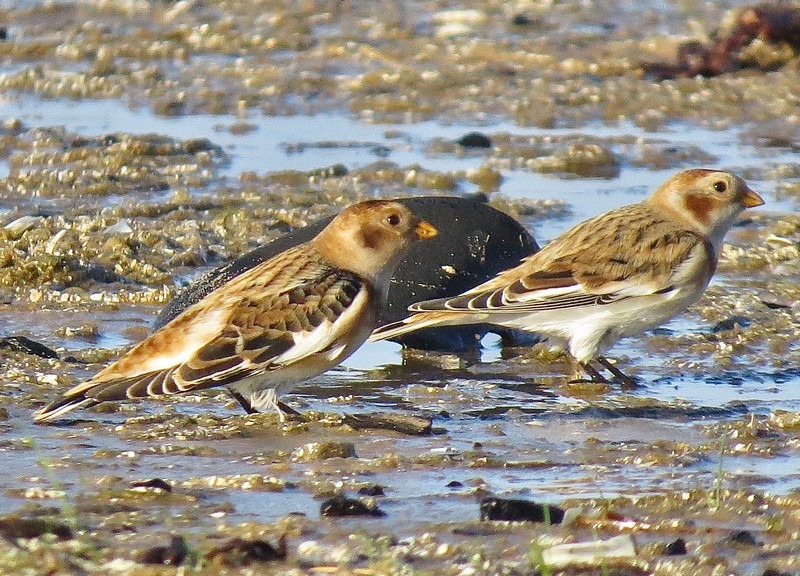
Reports of two Snow Buntings (photo courtesy P. Kinsella) on Ainsdale beach saw me struggling against a freezing wind trying to find them, without success. I bumped into John Dempsey and he hadn’t seen them either but Pete Kinsella sent me a lovely photo of them taken the previous day. That familiar refrain “You should have been here yesterday” comes to mind.
I presented my usual report on weather and water-table to the annual Natterjack Toad Recorders meeting at Ainsdale NNR on 18th. It has been a poor year for breeding, due mainly to the severe spring drought.
Management works designed to return the sand-dune SSSI to ‘favourable condition’ continued throughout the month. My volunteer ‘Buckthorn Bashers’ met four times on Thursday afternoons, clearing scrub from the dunes at Ainsdale. Most events saw excellent turnouts of up to 18, though we could always do with a few more. Contractors were brought in to create a Sand Lizard Highway at Falklands Way, Ainsdale. Unfortunately, while felling trees and shrubs, they also inadvertently cut down two nationally rare Don’s Willows. I found the stumps and, fortunately, they had not been treated with herbicide, so they should regrow over the next few years. I shall be watching!
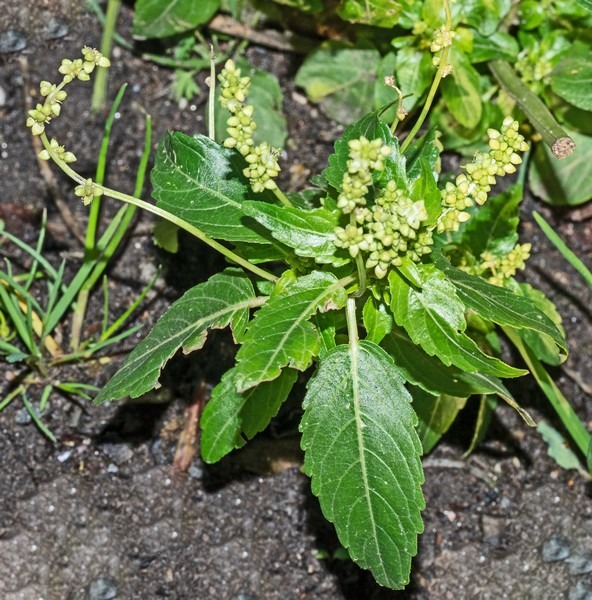
The final highlight of the month had to wait until 27th when, on his way to the Buckthorn Bash, Robert Freeth noticed an unfamiliar plant on the roadside verge at Kenilworth Road, Ainsdale. Later, he identified it as Annual Mercury and I went to photograph it the following day. The last record for this species in Sefton seems to be 1947, also at Ainsdale. Although quite widespread in the south of England, it is rare in the north and I had not seen it before. Staring at a new plant in an icy wind at the end of November was a novel experience!
Perhaps I should end these notes by mentioning that, on 20th, I was declared the winner of the 2025 ‘Lifetime Achievement Award’ for wildlife recording by the National Biodiversity Network (NBN). It was an unexpected but much appreciated honour.